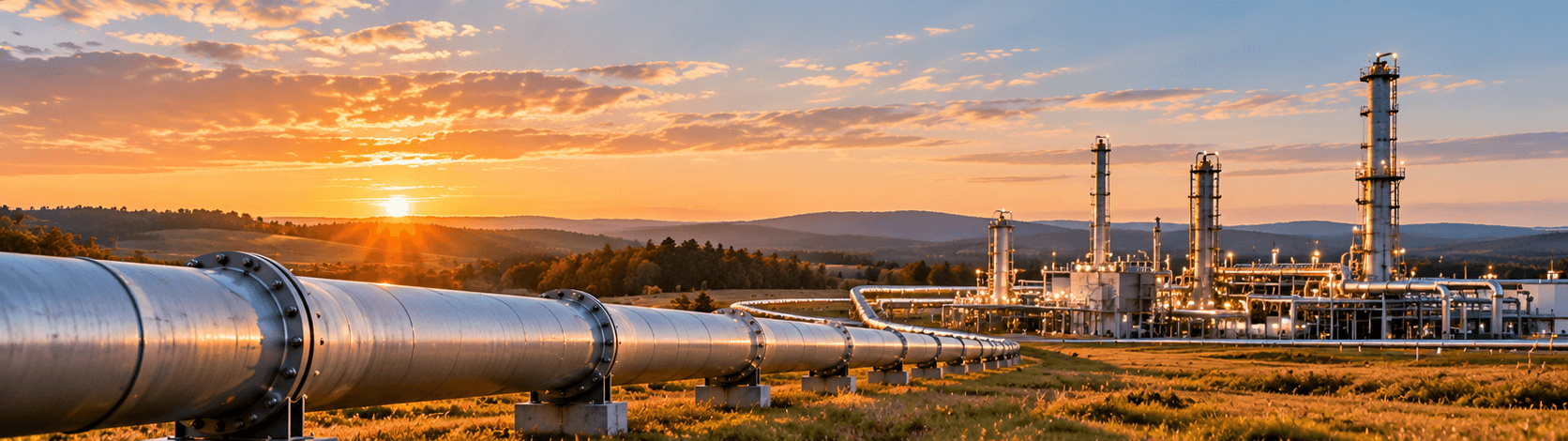
Natural gas plays an important role in everyday life, powering everything from home heating systems and water heaters to kitchen appliances and fireplaces. But have you ever wondered how natural gas makes its way to your home, or what determines the price you pay?
Understanding the journey of natural gas can help you make more informed decisions about your home's energy needs.
Where Does Natural Gas Come From?
Natural gas is a fossil fuel found in underground rock formations. Energy companies extract it through drilling operations, including conventional drilling and hydraulic fracturing.
Once extracted, natural gas undergoes processing to remove water, impurities, and other substances before it enters the nation's extensive pipeline network.
The United States is one of the world's leading producers of natural gas, with major production regions including Texas, Pennsylvania, and Louisiana.
How Natural Gas Reaches Your Home
After processing, natural gas travels through high-pressure transmission pipelines that transport it across long distances.
From there, local natural gas utilities distribute it through smaller pipelines to homes and businesses. These utilities maintain the infrastructure responsible for safely delivering natural gas to customers.
In markets where consumers can choose their natural gas supplier, companies like True Natural Gas provide the natural gas supply, while the local utility continues handling physical delivery, pipeline maintenance, and emergency response.
What Influences Natural Gas Prices?
Natural gas prices can change based on several factors:
- Supply and demand: Increased heating demand during colder months can influence wholesale prices.
- Weather conditions: Extreme temperatures can affect both natural gas consumption and production.
- Production levels: Changes in drilling activity and available supply can influence market pricing.
- Storage inventories: Natural gas stored for future use helps balance seasonal demand.
- Transportation costs: Pipeline capacity, transportation requirements, and regional market conditions can affect costs.
These factors work together to influence the price of natural gas throughout the year.
Understanding Your Natural Gas Bill
Your natural gas bill may include separate charges for the gas itself and for delivery services provided by your local utility.
Understanding these components can help you distinguish between your natural gas supply rate and other costs associated with receiving service.
When comparing suppliers, it's important to review the rate structure, contract terms, and any applicable fees.
Making Informed Energy Choices
Natural gas provides a versatile energy option for heating, cooking, and other household needs. While market conditions can influence pricing, understanding how natural gas is produced, transported, and delivered can help you make more confident decisions.
At True Natural Gas, we believe customers deserve straightforward information about their energy choices. Whether you're reviewing your current natural gas plan or exploring supplier options, understanding the journey from source to stove is a great place to start.